Seattle / Washington
〰️
Seattle / Washington 〰️
Zillow just turned 20. What its listing data reveals about how we live now is more interesting than any anniversary.
There's a version of the American dream that peaked somewhere around 2006—a beige stucco facade, a two storey foyer, a formal dining room that nobody ever ate in. The McMansion wasn't just a house. It was a statement, designed to be read from the street by people driving past.
Twenty years later, Zillow has done something genuinely useful with two decades of listing data: quantified the vibe shift. And the picture it paints is of a culture that has quietly, comprehensively changed what it wants from home.
"American homes have shifted from status symbols to sanctuaries," says Amanda Pendleton, Zillow's home trends expert. "Buyers are no longer chasing the biggest footprint or the glossiest finishes. Instead, they're seeking homes that reflect who they are, how they live and what they value."
The numbers that tell the story
What makes this data interesting is that listing language is a surprisingly honest mirror of cultural desire. Sellers describe what buyers want. And what buyers want has changed almost entirely.
Mentions of reading nooks in listings are up 48%, a detail that would have seemed almost quaint in the home theatre era. Spa inspired bathrooms are up 22%. Golf simulators and pickleball courts have each grown 25%, replacing the "man cave" with spaces built for actual movement. Zero energy ready homes are up 70% in listings. Whole-home batteries up 40%. EV charging stations up 25%.
The McMansion's defining features—the Jacuzzi tub, the formal living room, the arched decorative columns—barely rate a mention.
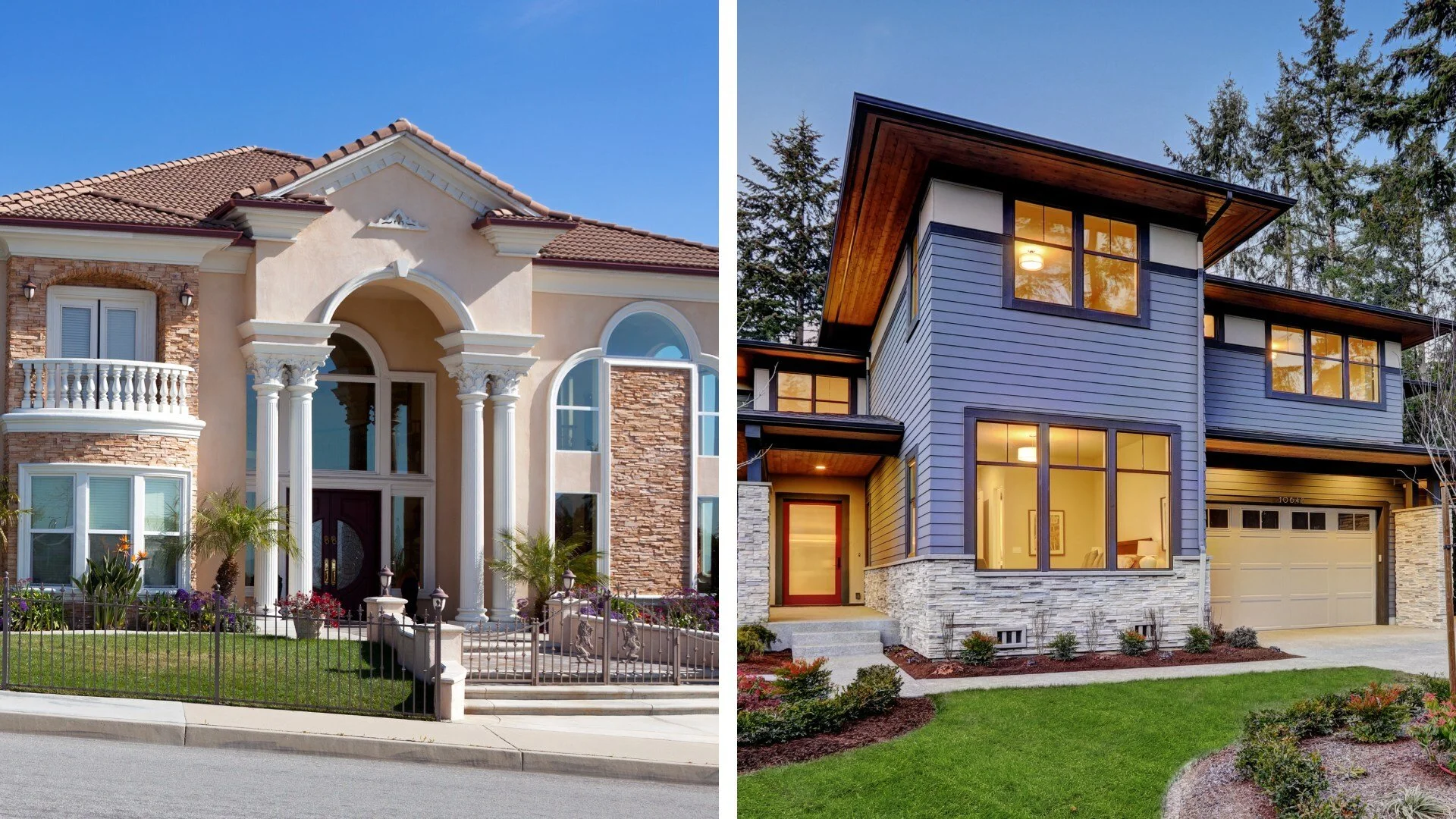
Image: Zillow
What the walls say
The design shift is just as telling. In 2006, Pantone's colour of the year was Sand Dollar. Homes were warm beige, bright white trim, polished granite, dark cherry cabinetry. Safe, universal, resale-optimised.
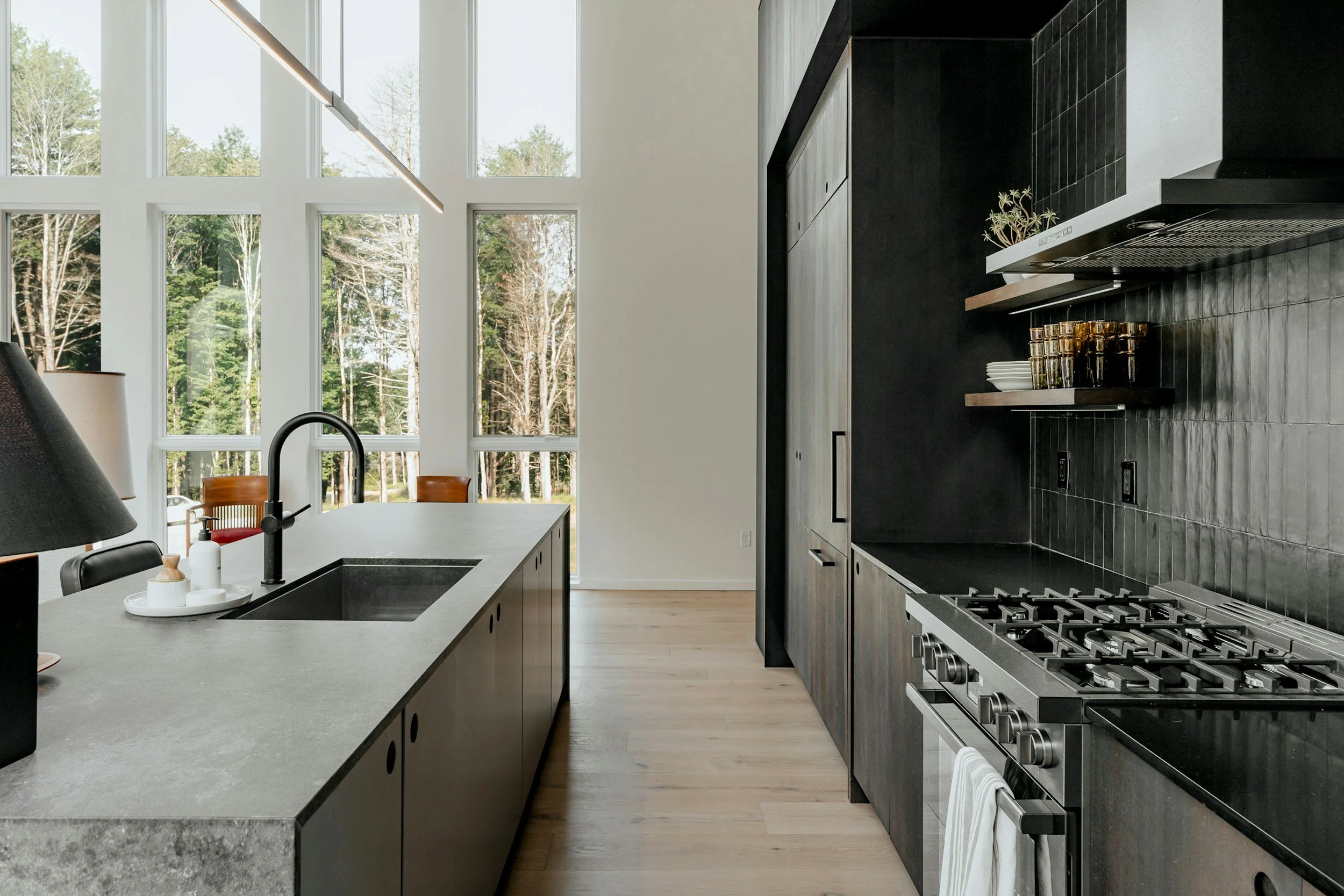
In 2026, mentions of "colour drenching"—painting walls, ceilings and trim in a single saturated hue—are up 149% in Zillow listings. Buyers are offering more for homes in dark olive green, navy and charcoal than for white-walled equivalents. The home as blank canvas has given way to the home as self-portrait.
What twenty years of listing language actually reveals
None of this would have been legible before the kind of data infrastructure Zillow has spent two decades building. The ability to track linguistic shifts across millions of listings—to notice that "reading nook" is having a moment, or that "formal dining room" has quietly disappeared—is a form of cultural sensing that simply didn't exist in 2006.
Some of the most interesting applications of data aren't predictive. They're archaeological. Zillow isn't telling us what homes will look like. It's showing us, with some precision, who we've already become.
Pendleton's forecast for the next twenty years centres on adaptability—homes that flex with changing families, climates and lifestyles. "The smartest homes won't feel high-tech," she says. "They'll feel intuitive, lived-in and supportive."
Which, when you think about it, is exactly what the McMansion never was.
